Can Root Canal Treatment Save Teeth?
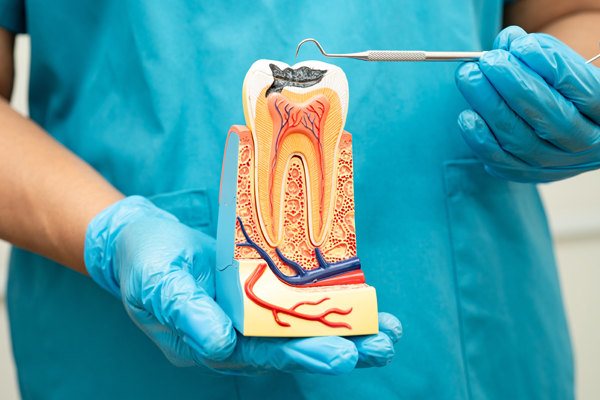
Root canal therapy is a routine procedure often recommended by a patient's dentist to treat infected teeth. Your tooth consists of various components that preserve its function. The root canal is the hollow section of your tooth that contains blood vessels, nerve tissue, and other cells, called the pulp. Your pulp nourishes your tooth and provides moisture. The nerves within the pulp are the components that help you sense temperature.
During root canal therapy, the dentist removes the nerves from the tooth's pulp to reduce pain. In addition to relieving pain and discomfort, a root canal can actually save a tooth that has sustained serious damage or has become deeply infected. It is typically performed to remove the decayed portion of the tooth, allowing the patient to keep the tooth and not lose it.
What causes a tooth to decay?
A tooth contains a soft core known as the dental pulp. When plaque builds up on a person's teeth, it produces acid. The acid eats away at the tooth's enamel, creating holes in the teeth known as cavities or caries. Untreated tooth decay can also lead to gum disease and abscesses.
If a tooth becomes damaged because of decay, cracks or breaks, the opening can allow bacteria to enter the pulp. Without treatment, the bacteria can lead to serious infection or even an abscess, which causes symptoms such as severe pain, swelling, and increased sensitivity to heat or cold. It can cause the pulp to die, which could result in the loss of bone or the tooth itself. However, by seeking dental treatment early, it is likely for a dentist to be able to save a patient’s tooth with root canal therapy.
How can a root canal save a tooth?
A root canal can be performed by a dental professional and is usually completed in one or two visits. Here is what to expect when receiving this tooth-saving therapy:
- Preparing for the root canal: First, the dentist X-rays the tooth to determine how badly it is damaged. The findings on the X-rays form the basis of treatment.
- Removing the initial decay: During the procedure, the dentist removes the decay and then accesses the diseased pulp. This pulp is then removed from the tooth. After removing the pulp, you can no longer experience pain within the tooth.
- Deep cleaning: After the removal of the pulp, the dentist flushes and cleans the area to remove any remaining debris and infected tissue, and medication may also be applied to further treat infection. Then, the area is allowed to dry.
- Filling the canal: The cleaned, disinfected, and dried canal is first filled with a paste or rubber compound. Afterwards, the dentist inserts a filling into the canal.
- Finishing the tooth: The filled tooth is then sealed and restored by having a temporary or a permanent crown placed on it. It may be necessary to return for a second visit to have the permanent crown constructed and fitted in place.
Crowns preserve the strength and integrity of the tooth. Following the treatment, the tooth is dead and no longer has nourishment to give it strength. Since the tooth can become brittle, you should be careful with the tooth following a root canal. Until you have a crown fitted on your tooth, it can break. Fortunately, the crown protects the natural tooth beneath it.
How long can a root canal last?
A root canal can last on average 10 to 15 years. However, if proper dental hygiene is practiced, it is possible that it can last a lifetime. By rooting out the infection, the tooth can be saved for an extended amount of time or even permanently. Therefore, it is important to seek out a dental consultation for root canal therapy as soon as the initial symptoms occur.
Getting root canal therapy
When the pulp becomes infected or damaged, it cannot repair itself. Instead, the tissue begins to die. As bacteria destroy the pulp, it also penetrates the root openings and can cause infection throughout your jawbone.
Sometimes, your only option to save the tooth is root canal therapy. A professional will drill into the tooth during a root canal to remove the diseased and infected tissue before decontaminating the hollow area. Once cleaned, the dentist can fill it with a rubber-like material. This safe and effective procedure can help maintain the health of teeth for a long time.
Request an appointment here: https://drdelucia.com or call Anthony DeLucia D.D.S., P.A. at (772) 492-7045 for an appointment in our Stuart office.
Check out what others are saying about our dental services on Yelp: Root Canal Treatment in Stuart, FL.
Related Posts
Despite an intimidating reputation, root canals are comfortable, tooth-saving procedures that actually relieve pain. Patient fears often stem from hearing old stories about outdated techniques or from reading confusing online information. In reality, a modern root canal usually feels similar to getting a cavity filled, with the added benefit of stopping infection and saving a…
Root canal therapy can restore your oral health. The treatment aims to remove the tooth’s infection and stop the pain. Anything can cause dental pain. It may signal your need for endodontic treatment. If you want to know when a dentist would recommend root canal therapy, here are the details.Pain may indicate an immediate need…
Curious about the root canal process? This review discusses the specifics of what you can expect when visiting a dentist for root canal treatment. Read on to learn more about this type of restorative treatment.Every dentist has their own process for root canal treatment, but there is a general process that most follow with patients.…
Root canal therapy is a treatment for restoring a severely diseased or decayed tooth. The treatment is necessary when a tooth infection goes from being just a toothache into an abscess that spreads through the root of the tooth. One major concern that patients often have is the pain they might experience during the procedure.…