How Effective Is Teledentistry for Diagnosis and Treatment?
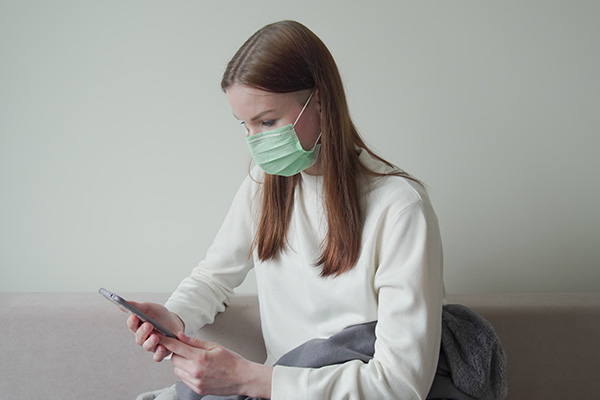
Teledentistry has provided a way for dentists to continue helping patients during COVID-19. Although it is not as ideal as an in-office dental visit, it does offer a safe and effective way for patients to receive a diagnosis and treatment recommendation for oral health concerns.
Teledentistry for diagnosis and treatment
By learning more about the teledentistry and its benefits, you can decide if you should consider a teledentistry visit with your dentist. The following is everything to know about teledentistry, including how it is defined, what it can diagnose and when to consider scheduling a teledentistry appointment.
What is teledentistry?
Teledentistry involves a virtual visit between the patient and the dentist to discuss symptoms that the patient experiences and to offer a diagnosis and treatment recommendation that the patient can follow. Teledentistry typically involves the use of a laptop, tablet or desktop computer and an online telecommunications application that both parties use. The visit may include a discussion of the patient’s oral health and their symptoms, images taken by the patient if necessary and educational insights by the dentist.
Is teledentistry effective?
Teledentistry is effective in many ways. Of course, dentists will not have all resources available to them, such as the ability to conduct a complete oral examination or order dental X-rays. However, dentists can use the resources they do have available to them to diagnose patients. Some issues such as underlying jawbone concerns might be difficult to detect, but most common concerns can be diagnosed through teledentistry, and the dentist can provide a professional treatment recommendation based on the diagnosis and severity of the symptoms.
What can teledentistry diagnose?
Teledentistry is effective in diagnosing a range of common dental concerns. These include but are not limited to:
- Dental decay
- Worn enamel
- Gum disease
- Gum erosion
- Oral infection
Depending on the severity of the oral health concern, the dental professional may recommend either at-home care to manage the symptoms until the patient can safely come into the office for a non-emergency procedure or come into the office as soon as possible if the issue requires emergency dentistry.
When should I consider teledentistry?
Anyone who has symptoms that suggest that they may have an oral health concern should consider teledentistry. These symptoms may include a chronic toothache, gum pain, swelling of the gums, bleeding gums, a foul taste inside the mouth and numb teeth. With that said, patients do not need to have symptoms of an oral health concern to schedule a teledentistry visit. It is also effective in serving as a routine checkup visit or a consultation visit for new patients as well.
Schedule a teledentistry appointment today
Here at our dental office, we assist patients as they deal with the COVID-19 lockdown. Feel free to reach out to us today via phone or email for more information about our teledentistry services. We are happy to answer your questions, and we can schedule a convenient time for the teledentistry meeting with our dental practice.
Request an appointment here: https://drdelucia.com/ or call Anthony DeLucia D.D.S., P.A. at (772) 492-7045 for an appointment in our Stuart office.
Check out what others are saying about our services on Yelp: Read our Yelp reviews.
Related Posts
Cosmetic dentists take pride in enhancing the appearance of their patients' smiles. Since everyone has different treatment goals, finding the right dentist can take some time and research. Asking yourself a few simple questions can help you figure out what you need in a cosmetic dentist, streamlining your search.While all general dentists complete training to…
Are you looking to restore or replace one of your teeth? Two of the most common restorations are dental crowns and dental bridges. While they both serve restorative purposes, there are differences between them. The following guide provides five factors to keep in mind as you make an informed decision about your dental health.Restorative dentistry…
Aging affects every part of the body, including the look and health of the teeth. A cosmetic dentist can address the common dental challenges that come with aging teeth and gums. As people get older, their teeth may become discolored, worn, chipped, or misaligned. Gums can recede, become sensitive, or show signs of disease. Cosmetic…
A cosmetic dentist offers advanced solutions designed to enhance both the appearance and function of the smile. From subtle improvements to dramatic transformations, the expertise of a cosmetic dentist can help restore confidence and improve oral health. These procedures are tailored to suit each individual’s needs while maintaining a natural and balanced look.Stains from food,…